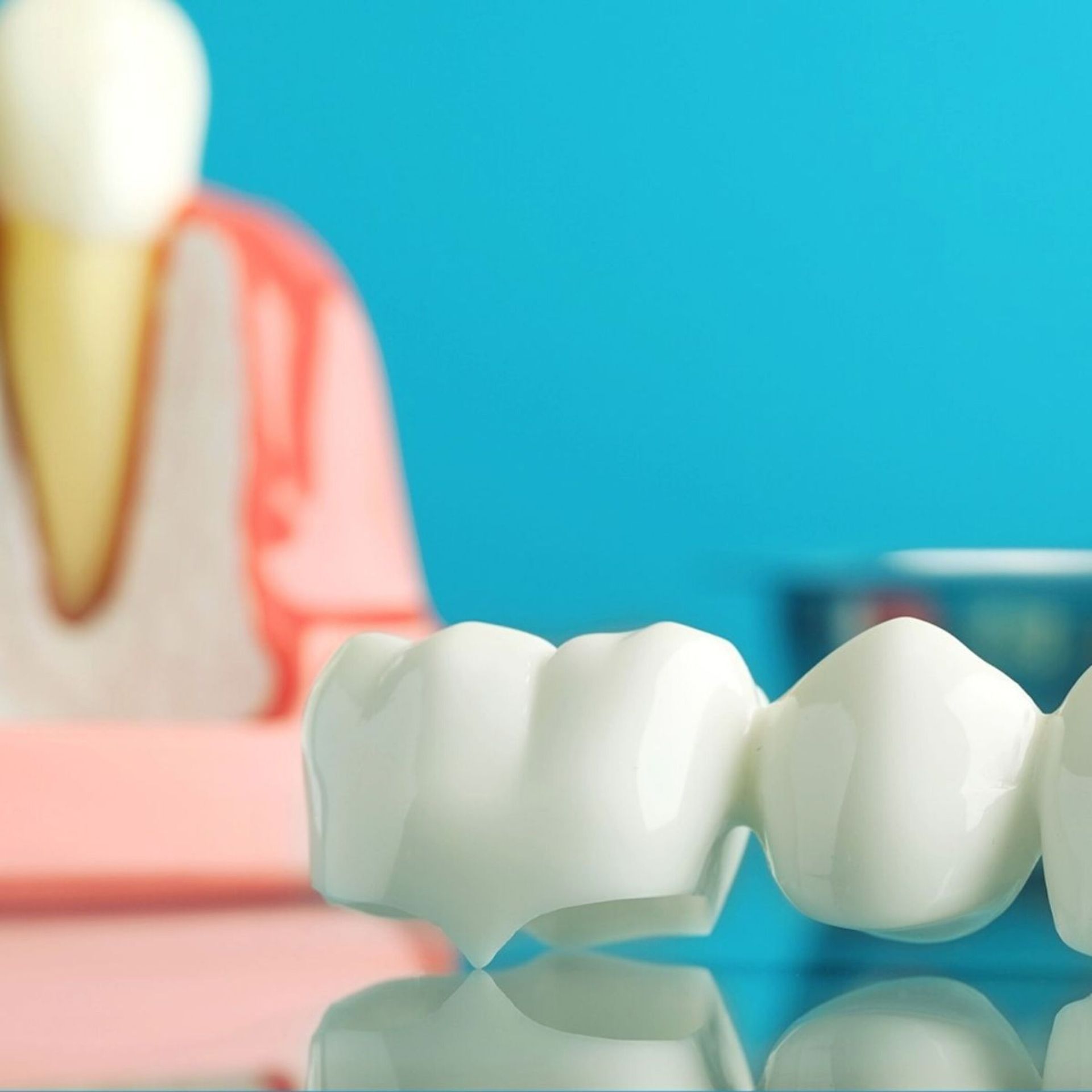


Crown and Bridge Work
This can be used to reinforce heavily restored teeth and to realign crowded or spaced teeth. On very severely stained teeth, it may be the only option to achieve the desired whitening.

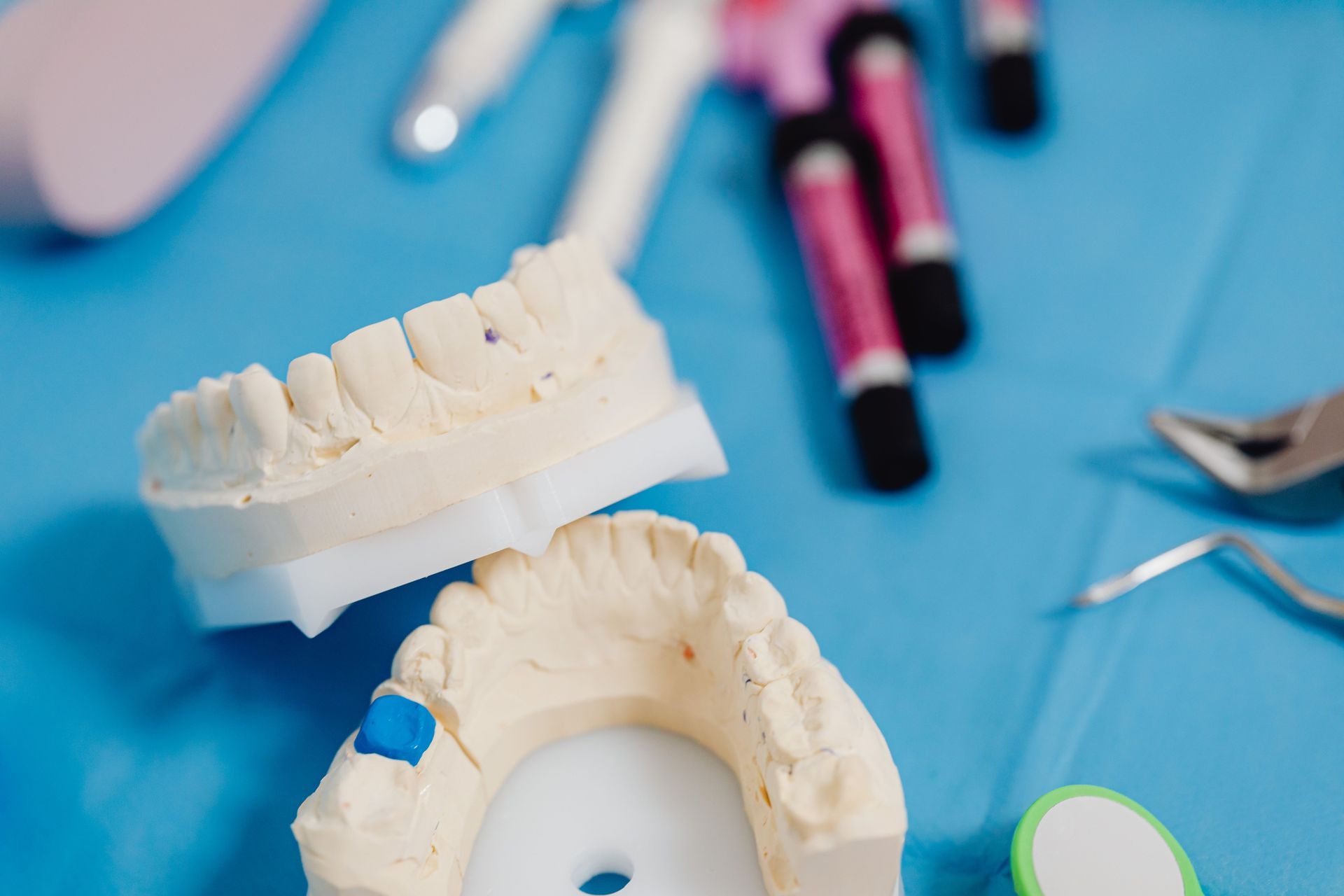
Dental Crowns
A crown fits over the entire visible surface of a tooth, becoming its new outer layer, restoring shape, strength and appearance for a tooth that's been significantly damaged or decayed. Crowns can be made from porcelain, zirconia, metal, or a blend of materials.
A crown might be recommended to:
- Replace a filling too large for the remaining tooth structure to support
- Protect a weakened tooth from fracturing
- Rebuild a fractured tooth
- Anchor a bridge
- Cover a dental implant
- Disguise a discoloured or misshapen tooth
- Protect a tooth that's had root canal treatment
How it works:
After numbing the area, your dentist files down the tooth and takes an impression to have your crown made to precise specifications, then cements it into place, a process that involves minimal discomfort. Although crowns are built to last, they're still subject to normal wear, so keeping up good oral hygiene will help yours stay in good condition for years. The material and shade are chosen based on the tooth involved and your own preference.
As a guide, the costs of some common private dental treatments are listed on our
costs page.
Dental Bridges
A gap left by a missing tooth doesn't stay empty for long,neighbouring teeth tend to drift into the space over time, which can throw off your bite. Left unaddressed, this can lead to jaw joint (TMJ) issues, speech changes, and a higher risk of both gum disease and decay.
How bridges work:
A bridge spans the gap, cemented to the natural teeth or implants on either side (known as abutments), which anchor the replacement tooth (the pontic) in place. As with crowns, several materials are available such as porcelain or ceramic bridges can be shade-matched to your natural teeth. Where a gap has support on only one side, a cantilever bridge may be used instead. Beyond restoring appearance, bridges can also lower your risk of gum disease and help correct bite or speech issues linked to the gap.
Your dentist will help weigh up the best option based on where the missing tooth sits, appearance considerations, and cost.