

Gum Disease
A healthy smile begins with healthy gums. Bleeding, swollen or sensitive gums, ongoing bad breath, or teeth that seem to be shifting are all signs worth having checked, the sooner gum disease is caught, the easier it is to treat.
What is gum disease?
Gum (periodontal) disease is a chronic bacterial infection affecting the gums and the bone that supports your teeth. It's a leading cause of adult tooth loss, and because it's typically painless in its early stages, many people don't realise they have it until a check-up reveals it. Mild gum inflammation is common, but around one in ten people go on to develop more advanced disease, which can erode supporting bone and put teeth at risk.
What causes it?
The underlying cause is plaque, a sticky bacterial film that forms on the teeth and releases toxins that irritate the gums. Left in place, this causes gingivitis, gum inflammation that's fully reversible with proper cleaning. Left untreated for longer, plaque hardens into tartar, which has a rough surface that attracts even more plaque, accelerating the cycle of gum damage. Over time this can progress to periodontitis, where supporting bone is gradually lost.
Warning signs to watch for:
- Red or swollen gums
- Gums that bleed when brushing
- Gums pulling away from the teeth
- Loose or shifting teeth
- Persistent bad breath or an unpleasant taste
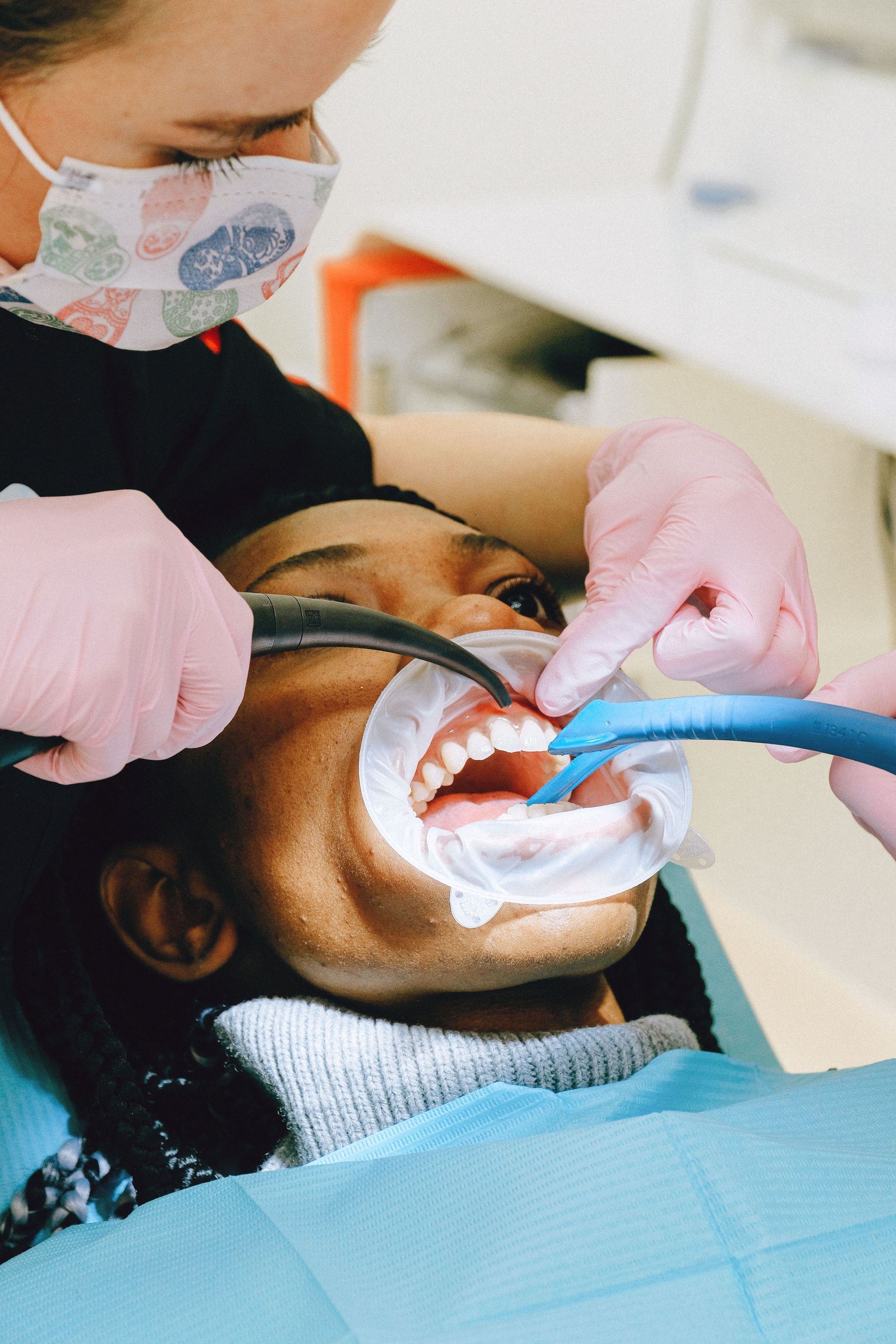
Because pain rarely appears until the disease is advanced, regular check-ups are the most reliable way to catch it your dentist can spot early changes and use X-rays where needed to check the health of the supporting bone.
How we treat it:
Treatment starts with a thorough assessment, measuring the depth of any pockets between your gums and teeth and taking X-rays to understand bone levels. From there, most cases are treated with:
- Scaling professional removal of plaque and tartar from the tooth surface and gumline
- Root planing a deeper clean beneath the gumline, carried out under local anaesthetic, smoothing the root surface so gum tissue can reattach and heal
In some cases, antibiotics may be used alongside these treatments to help bring an infection under control. Once treated, ongoing hygiene visits play a key role in keeping gum disease from returning.