
Oral Health Guide
Great oral health is built day by day, at home, between your visits to us. Here's what makes the biggest difference.
Brushing
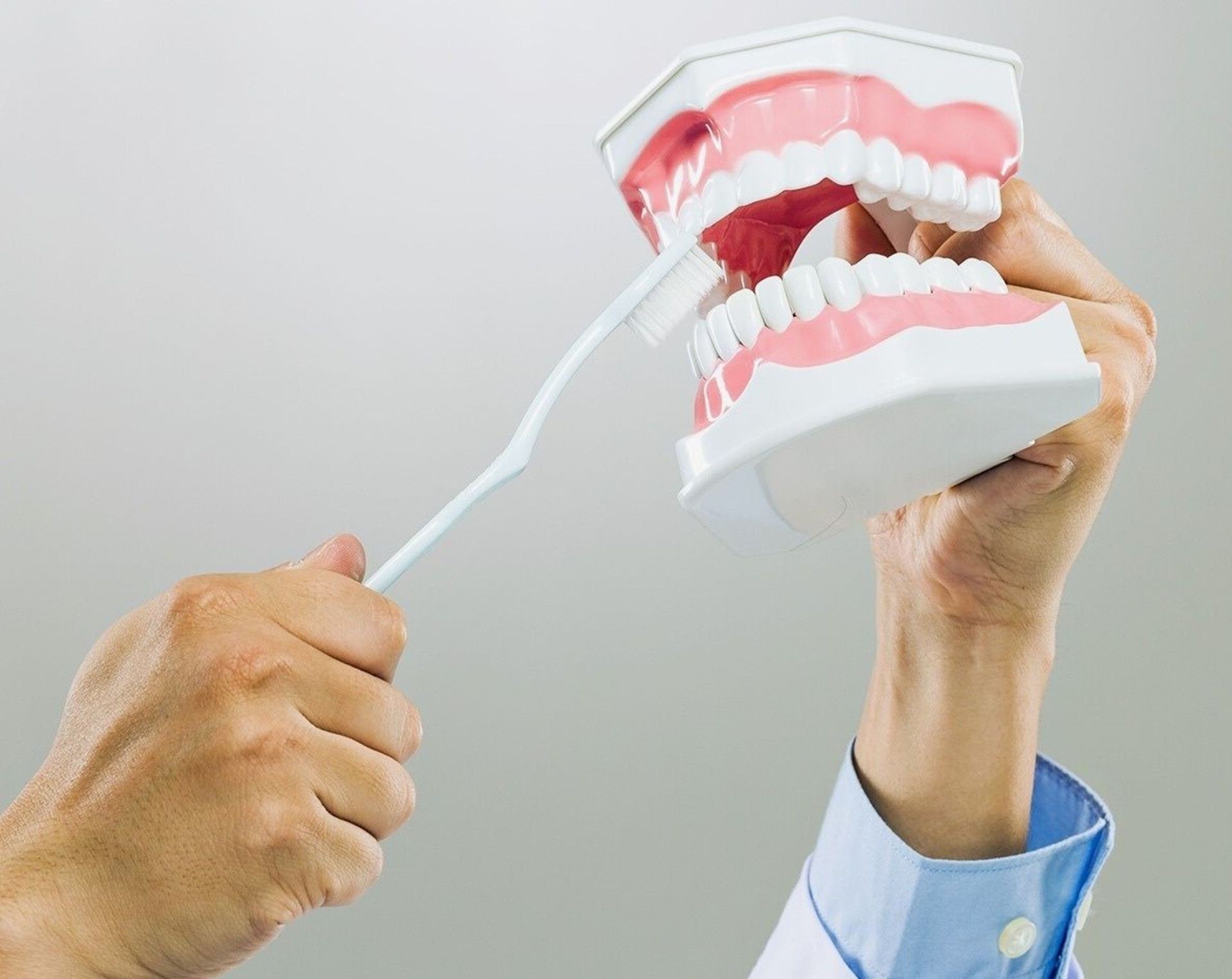
Brush twice a day for two minutes, using a fluoride toothpaste and a soft-bristled brush (manual or electric, both work well when used correctly). Angle the brush towards the gumline and use gentle, circular motions rather than aggressive scrubbing, which can wear down enamel and irritate gums over time. Don't forget your tongue, which harbours bacteria that contribute to bad breath.
Interdental cleaning
A toothbrush can't reach between your teeth, which is exactly where plaque tends to build up. Flossing or using interdental brushes once a day clears these spaces and helps prevent both decay and gum disease. If traditional floss feels awkward, ask your hygienist about alternatives like floss picks, water flossers or interdental brushes sized to fit your teeth.
Diet
What you eat and drink affects your teeth as much as how you clean them. Sugary snacks and fizzy drinks are the biggest contributors to decay, particularly when consumed frequently throughout the day rather than at mealtimes. Where possible, stick to main meals and choose tooth-friendly snacks like cheese, plain yoghurt, or fruit and vegetables. Water is always the best choice between meals.
Routine visits
Even with excellent home care, professional check-ups and hygiene visits are essential, they catch the issues you can't see or feel yourself, and prevent minor problems turning into bigger, more costly ones. We recommend a check-up and hygiene visit every six months, though your dentist may suggest a different schedule based on your individual needs.
Lifestyle factors
Smoking and heavy alcohol use both increase the risk of gum disease and other oral health problems, and can slow healing after any dental treatment. If you're looking to cut back, your dental team can point you towards support resources as part of your overall care.
Children's oral health
Good habits start early. Encourage brushing as soon as the first tooth appears, supervise brushing until children can reliably do it well on their own (usually around age 7-8), and keep sugary snacks and drinks to a minimum. Regular dental visits from a young age help children feel comfortable in the dental chair and allow us to monitor their development closely.