
Root Canal Treatment: Debunking the Fear
Few dental procedures have as fearsome a reputation as the root canal. It's often used as shorthand for "worst possible experience" but the reality is a long way from the myth. Modern root canal treatment is a routine, well understood procedure that relieves pain rather than causing it.
What a Root Canal Actually Is
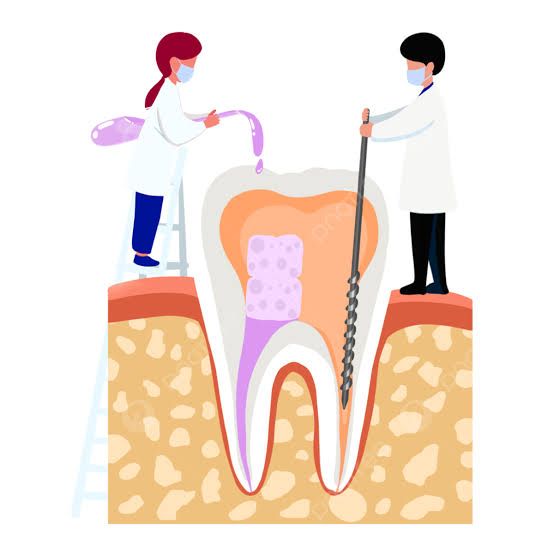
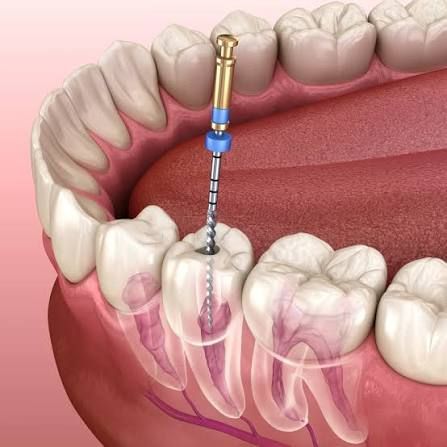
Inside every tooth is a soft tissue called the pulp, containing nerves and blood vessels. When this pulp becomes infected or inflamed, usually due to deep decay, a crack, or trauma to the tooth, it can cause significant pain and, if left untreated, lead to an abscess or loss of the tooth. A root canal treatment removes this damaged tissue, cleans and disinfects the inside of the tooth, and seals it to prevent further infection, allowing you to keep your natural tooth rather than losing it.
Where the Fear Comes From
Much of the anxiety around root canals comes from outdated ideas about the procedure, along with the discomfort many people already feel before treatment, when the untreated infection is causing pain. It's easy to associate that pre-treatment pain with the treatment itself, when in reality, the procedure is what brings the relief.
Advances in modern dentistry, including better anaesthetics, more precise instruments, and improved techniques, mean today's root canal treatment is far more comfortable than its reputation suggests.
What Actually Happens
During the procedure, the area is thoroughly numbed, so you shouldn't feel pain during treatment itself, similar to having a filling done. The tooth is opened, the infected or damaged pulp is carefully removed, and the inside of the tooth is cleaned and shaped before being sealed. Depending on the case, this may take one or two visits. Afterwards, a crown is often recommended to protect and strengthen the tooth, since a tooth that has had root canal treatment can become more brittle over time.
What to Expect Afterwards
Some mild soreness or sensitivity in the days following treatment is normal, similar to what you might feel after a filling, and is usually manageable with over-the-counter pain relief. Most patients are back to their normal routine within a day or two.
Why Saving the Tooth Matters
It might seem simpler to just remove a painful tooth altogether, but keeping your natural tooth where possible has real benefits: it maintains your natural bite, prevents surrounding teeth from shifting, and avoids the need for a bridge or implant to fill the gap. A root canal is often the option that preserves the most of your natural smile in the long run.
Signs You Might Need One
Common signs that a tooth may need root canal treatment include persistent tooth pain, sensitivity to hot or cold that lingers well after the stimulus is removed, swelling or tenderness in the gums, or a tooth that has darkened in colour. If you're experiencing any of these, it's worth getting it checked sooner rather than later, the earlier it's treated, the more straightforward the procedure tends to be.
The Bottom Line
A root canal isn't something to dread. In most cases, it's simply a routine, well-managed procedure that relieves pain and saves your natural tooth. If you have questions or concerns, we're always happy to talk you through exactly what to expect before your appointment.